CSR Program for Mangrove Rehabilitation in the context of Implementing the Master Plan for Sustainable Sediment Management-Based Area Development in the Sea in Bonang Subdistrict, Demak Regency
  • Home
  • CSR Program for Mangrove Rehabilitation in the context of Implementing the Master Plan for Sustainable Sediment Management-Based Area Development in the Sea in Bonang Subdistrict, Demak Regency
Our Activities

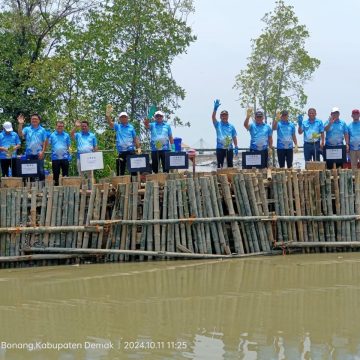
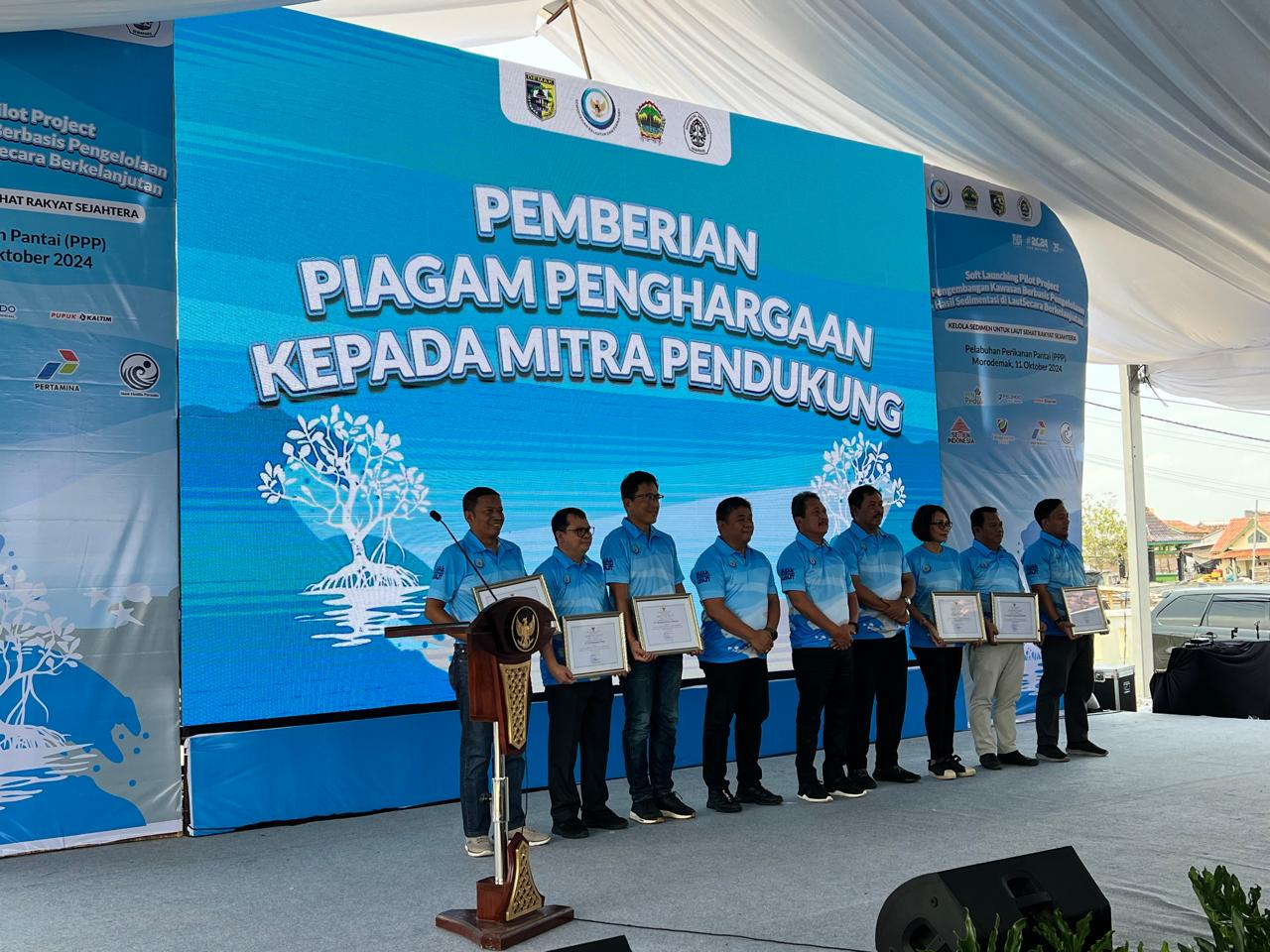
The Corporate Social Responsibility (CSR) Program for Mangrove Rehabilitation in Support of the Masterplan for Sustainable Sedimentation-Based Coastal Development in Bonang District, Demak Regency (2024–2025) is a collaborative initiative involving the Ministry of Marine Affairs and Fisheries, the Sustainability Indonesia Foundation, and the SDGs Center of Universitas Diponegoro, together with multiple private sector partners as part of their Social and Environmental Responsibility (TJSL/CSR) commitments. This program is designed to support the implementation of the Masterplan for Sustainable Sedimentation-Based Coastal Development in the Morodemak region and its surroundings, an area that continues to face challenges such as coastal abrasion, sedimentation, and mangrove ecosystem degradation. This multi-stakeholder collaboration strengthens science-based, community-based, and sustainability-driven approaches to restoring the Bonang coastline more comprehensively.

The CSR mangrove rehabilitation activities are implemented over two phases with the support of corporate partners. In 2024, the program collaborated with PT PLN Nusantara Power UP PLTU Tanjung Awar-Awar, PT Pupuk Kalimantan Timur, PT Semen Indonesia (Persero) Tbk, and PT Bhimasena Power Indonesia. In 2025, the collaboration is strengthened through partnerships with PT PLN Nusantara Power UP Rembang, PT Pelabuhan Indonesia (Persero), PT Pupuk Kalimantan Timur, and PT Vale Indonesia Tbk. The involvement of diverse industrial entities demonstrates the private sector’s commitment to supporting coastal restoration and climate mitigation through mangrove ecosystem rehabilitation.

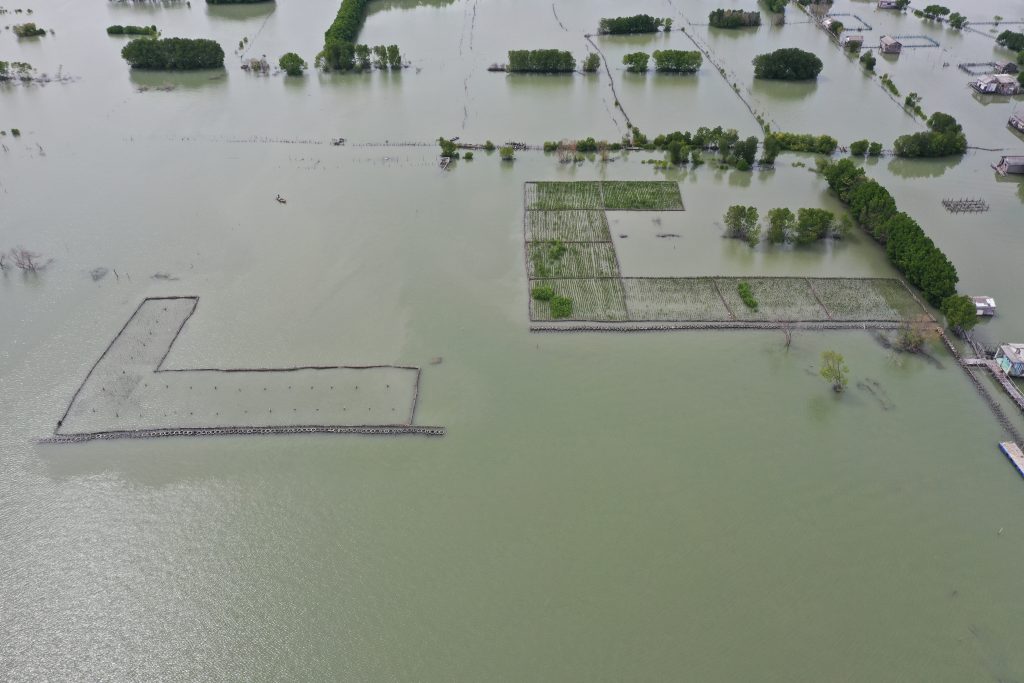
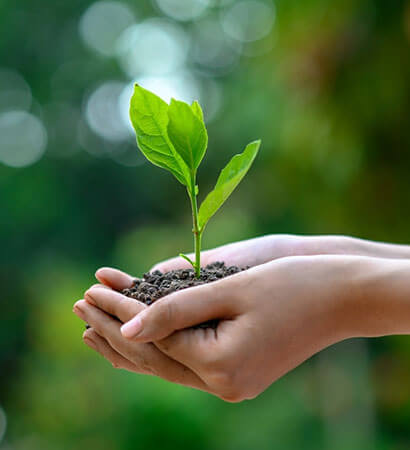
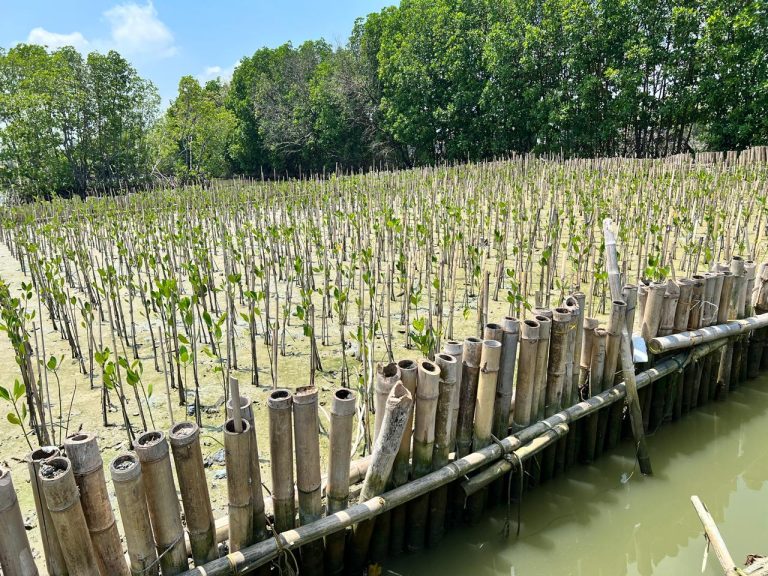
The primary objective of this program is to carry out mangrove rehabilitation aligned with the direction of the Sustainable Coastal Development Masterplan, particularly by leveraging marine sedimentation as an opportunity for ecological recovery. The scope of activities includes the establishment of rehabilitation demonstration plots, consisting of protected planting enclosures that serve as trial areas and safeguard seedlings from environmental stressors, as well as mangrove planting in priority zones identified based on sedimentation patterns, land elevation, and ecological restoration potential. Through a technically grounded approach and strong cross-sector collaboration, the program aims to increase mangrove cover, strengthen coastal protection in Bonang, and enhance ecosystem resilience against abrasion and climate change.

This CSR program not only contributes to environmental restoration but also serves as a concrete effort by the government, academia, and the private sector to support sustainable development goals—particularly SDG 13 (Climate Action), SDG 14 (Life Below Water), SDG 15 (Life on Land), and SDG 17 (Partnerships for the Goals). Through this collaboration, mangrove rehabilitation in Bonang District is expected to become a model of impactful, measurable, and sustainable CSR/TJSL partnership for coastal areas across Indonesia.

The Output!

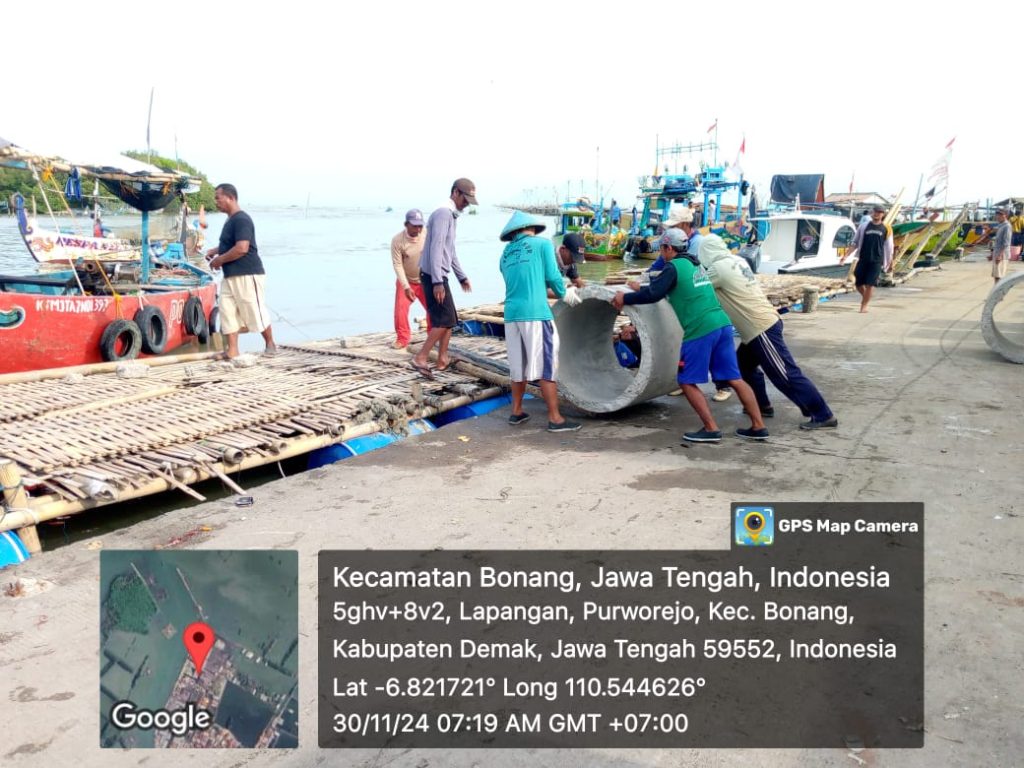
The main outputs of the Mangrove Rehabilitation CSR Program in Bonang District, Demak Regency include the construction of a coastal protection structure in the form of APO (Wave Breaker Device) made from concrete buis, which functions to reduce wave energy and create calmer water conditions to support coastal ecosystem recovery. In addition, the program successfully established a mangrove planting demonstration plot as a protected rehabilitation area that meets technical standards and serves as a monitoring site for vegetation growth. The program also produced the implementation of mangrove planting based on marine sedimentation, a planting method that follows natural sediment accumulation patterns to increase the long-term success and resilience of mangrove stands. These three outputs form a crucial foundation for the coastal restoration strategy in Bonang through an ecosystem-based and sustainable development approach.

Clients :

PT PLN Nusantara Power
PT Pupuk Kalimantan Timur
PT Semen Indonesia (Persero) Tbk
PT Bhimasena Power Indonesia
PT Pelabuhan Indonesia (Persero)
PT Vale Indonesia Tbk
Kementerian Kelautan dan Perikanan
Pemerintah Kabupaten Demak

Category:

Community Development

Period:

2024-2025

echofy

.

Contact Us Now!

+62 858 6541 5801

SDGs Goal Contribution