Academic Collaboration Strengthens Sustainable Mangrove Nurseries in Demak
Demak, April 5, 2025 – Community-based coastal ecosystem rehabilitation efforts continue to be strengthened through collaboration between academics and sustainability initiatives. One tangible example of this collaboration is the development of a mangrove nursery area in Purworejo Village, Demak Regency.
This initiative is led by Prof. Denny Nugroho Sugianto, an academic from Universitas Diponegoro and an expert collaborator within the Langkah Berkelanjutan Indonesia Foundation (SI-LBI). This effort marks an initial step in enhancing the capacity of coastal communities to sustainably manage mangrove ecosystems.
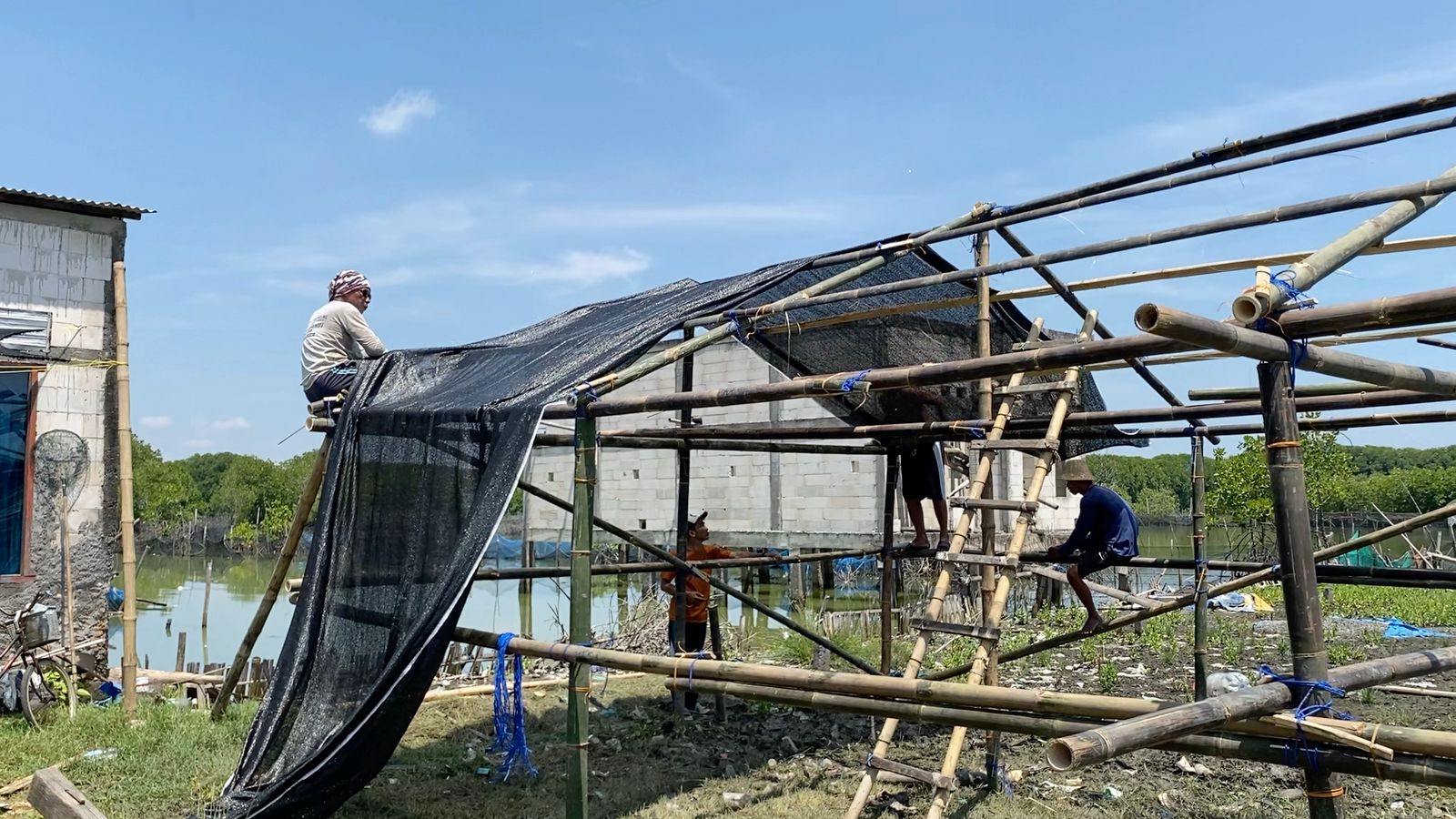
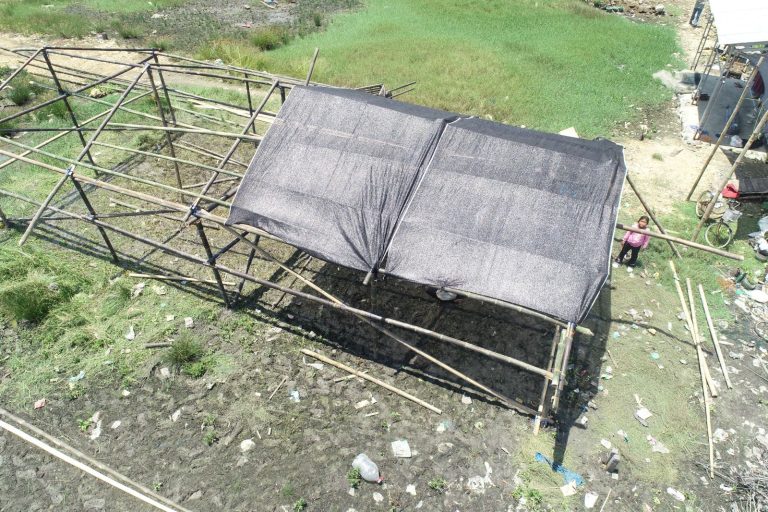
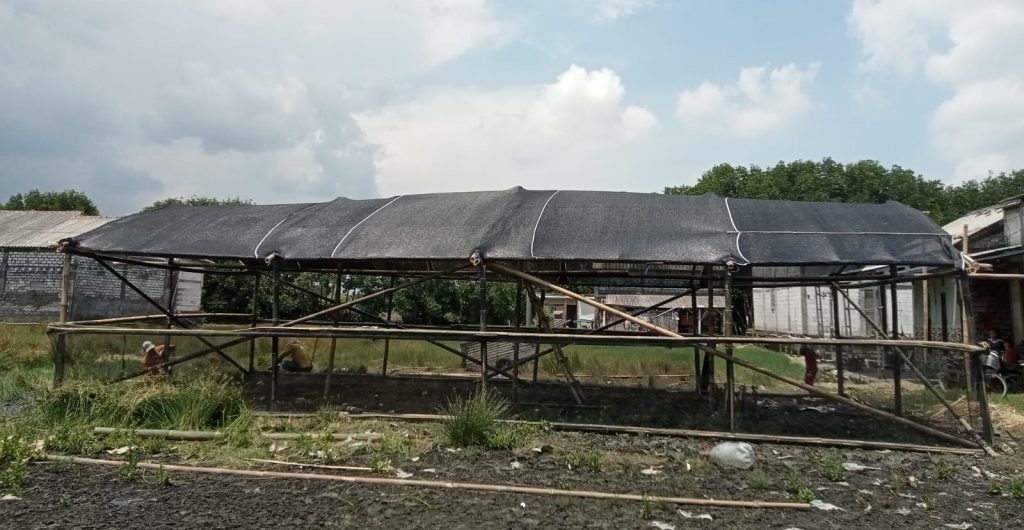
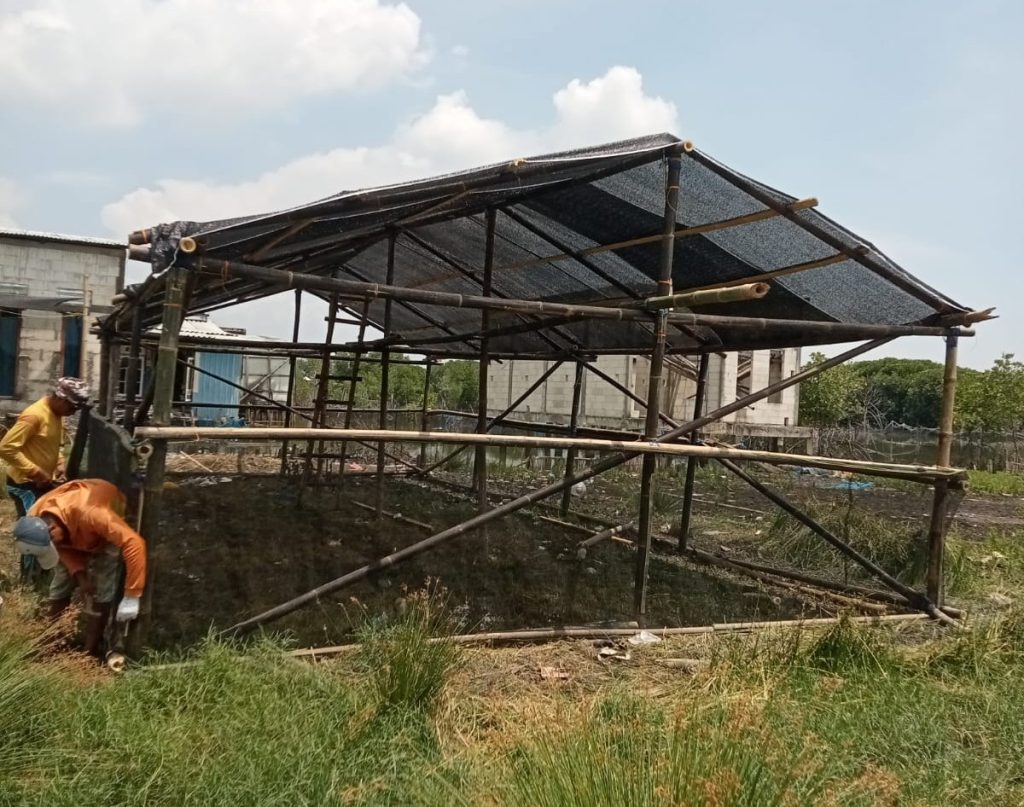
The establishment of the mangrove nursery serves as a critical foundation for the overall coastal rehabilitation program. The facility functions not only as a nursery site but also as a learning space for the local community. By utilizing simple materials such as bamboo and paranet, the nursery is designed to create optimal conditions for mangrove seedling growth while remaining easily replicable by the community.
Beyond physical development, this initiative emphasizes a community empowerment approach as a key factor in ensuring long-term sustainability. Through this facility, knowledge and technology transfer can be carried out more effectively, enabling communities to independently manage mangrove nurseries.
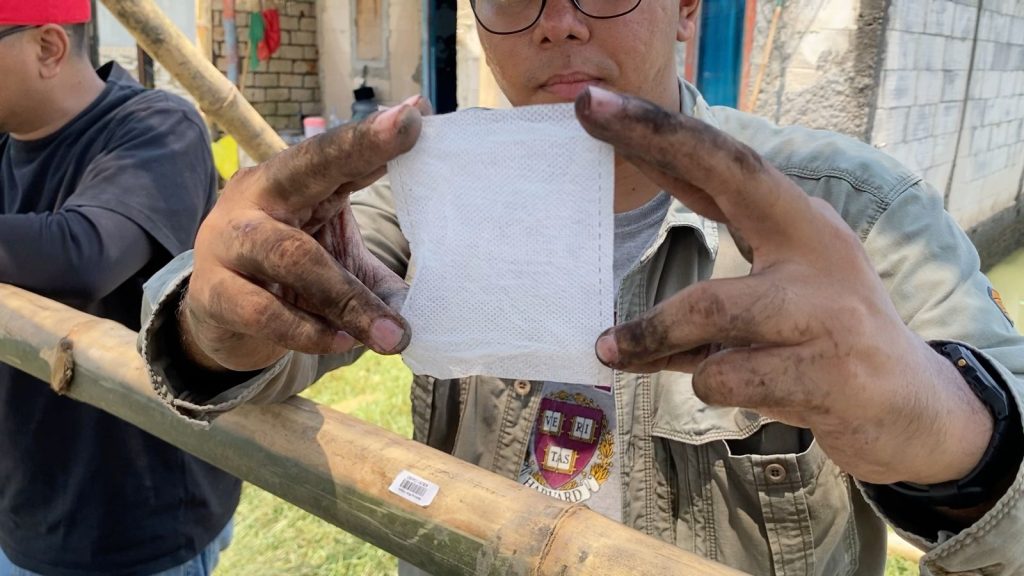
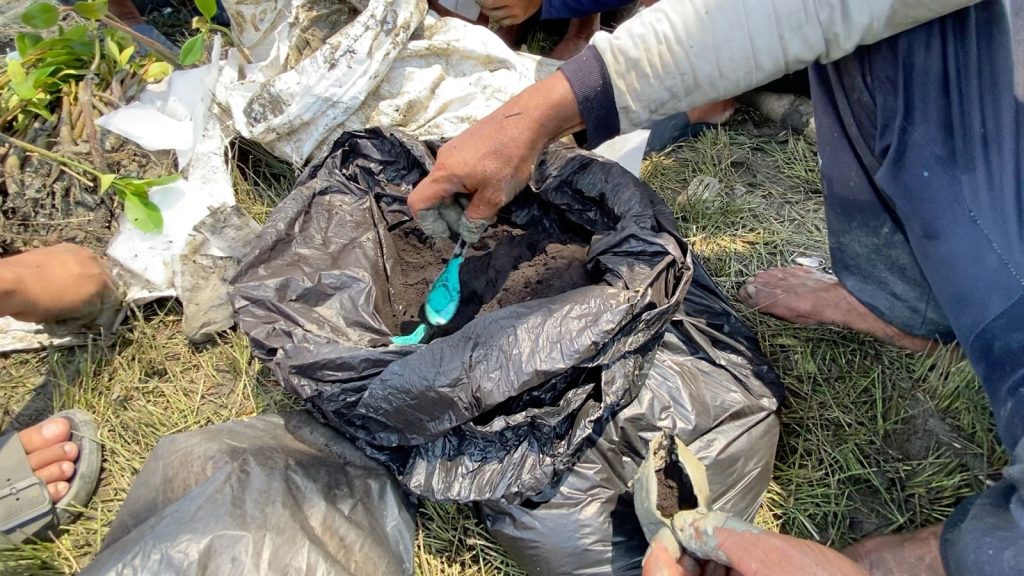
In the next phase, the program will integrate various environmentally friendly innovations, including the use of biochar-based growing media and biodegradable polybags as alternatives to conventional plastic. This approach not only aims to improve seedling quality but also ensures that the rehabilitation process aligns with environmental sustainability principles.
sustainability of the initiative.
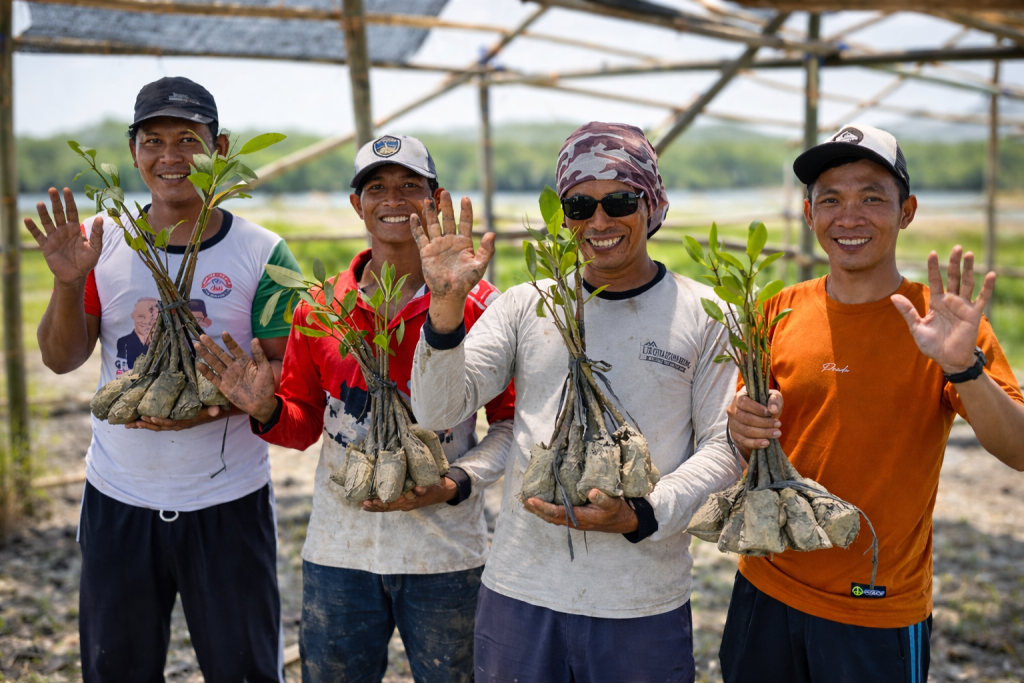
Active participation from the Purworejo Village community in building the nursery area serves as a key indicator of the program’s success. Their direct involvement reflects a strong sense of ownership, which will ultimately determine the long-term sustainability of the initiative.
The involvement of Prof. Denny Nugroho Sugianto as part of SI-LBI’s expert collaborators highlights the importance of cross-sector collaboration in driving science-based solutions to environmental challenges. This approach aligns with SI-LBI’s commitment to developing and implementing sustainable solutions that integrate environmental, social, and economic aspects.
Looking ahead, the program will continue through a series of activities, including technical training on nursery management, community group mentoring, and monitoring and evaluation of mangrove seedling growth. With a structured and sustainable approach, it is expected that communities will not only be able to manage nurseries independently but also integrate them into climate change adaptation strategies and local economic development.
This initiative also contributes to the achievement of the Sustainable Development Goals (SDGs), particularly in climate action, coastal ecosystem protection, and strengthening local resource-based economies through a blue economy approach.